
Builders in Wiltshire.
We are based in the north of the county, near Malmesbury. From there our own team takes on renovations, listed buildings and new homes, from the ground up.
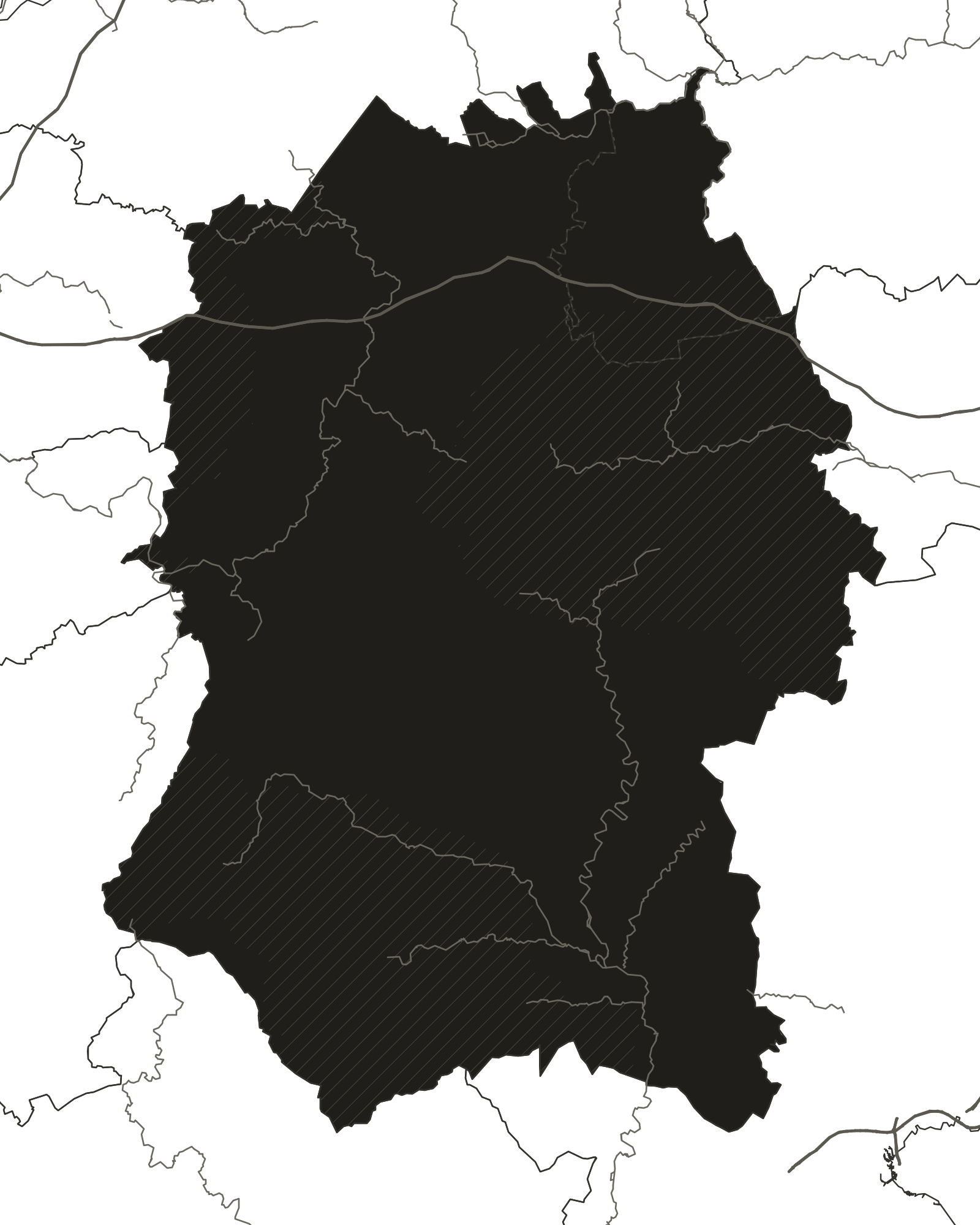
- Our yard
- Near Malmesbury, in the north of the county
- The councils
- Wiltshire Council and Swindon Borough Council
- National Landscapes
- Three reach into the county
One county, three kinds of ground.
Wiltshire's old buildings follow what lies beneath them. In the north-west, where we are based, Jurassic limestone gave stone walls and stone-tiled roofs. Where the ground turns to clay, brick took over. On the chalk downs you find chalk and cob walls, flint and thatch.
Much of putting an old building right is matching what is already there. Our own team works in natural stone, brick and block, and timber, and roofs in stone tile, slate and concrete tile.
Every trade is our own, from the groundwork to the decorating, so one team carries the job from start to finish.
- Limestone: stone walls and stone-tiled roofs
- Clay: brick
- Chalk: chalk and cob walls, flint and thatch
Before you start, in Wiltshire.
A general guide, not planning advice. The council has the final word.
Two councils
Wiltshire Council is the planning authority for most of the county. Swindon has its own borough council, which decides for the borough.
Wiltshire Council, planning (opens in a new tab)Three National Landscapes
Parts of the Cotswolds, the North Wessex Downs and Cranborne Chase lie in the county. Inside them, some work that is allowed elsewhere needs planning permission, including side extensions and cladding.
National Landscapes (opens in a new tab)Listed buildings and conservation areas
Each has rules of its own, and a listed building needs consent for work inside as well as out. If you do not yet know where you stand, say so on our quote form.
Search the National Heritage List (opens in a new tab)
Converted, renovated and finished by us.


Planning some work in Wiltshire?
A few details about your project help us give you a proper answer, sooner.