
Builders in the Cotswolds.
Our yard is about two miles from the edge of the Cotswolds National Landscape, close to the Wiltshire and Gloucestershire border. Natural stone, stone-tiled roofs and dry stone walls are all part of what our own team does.
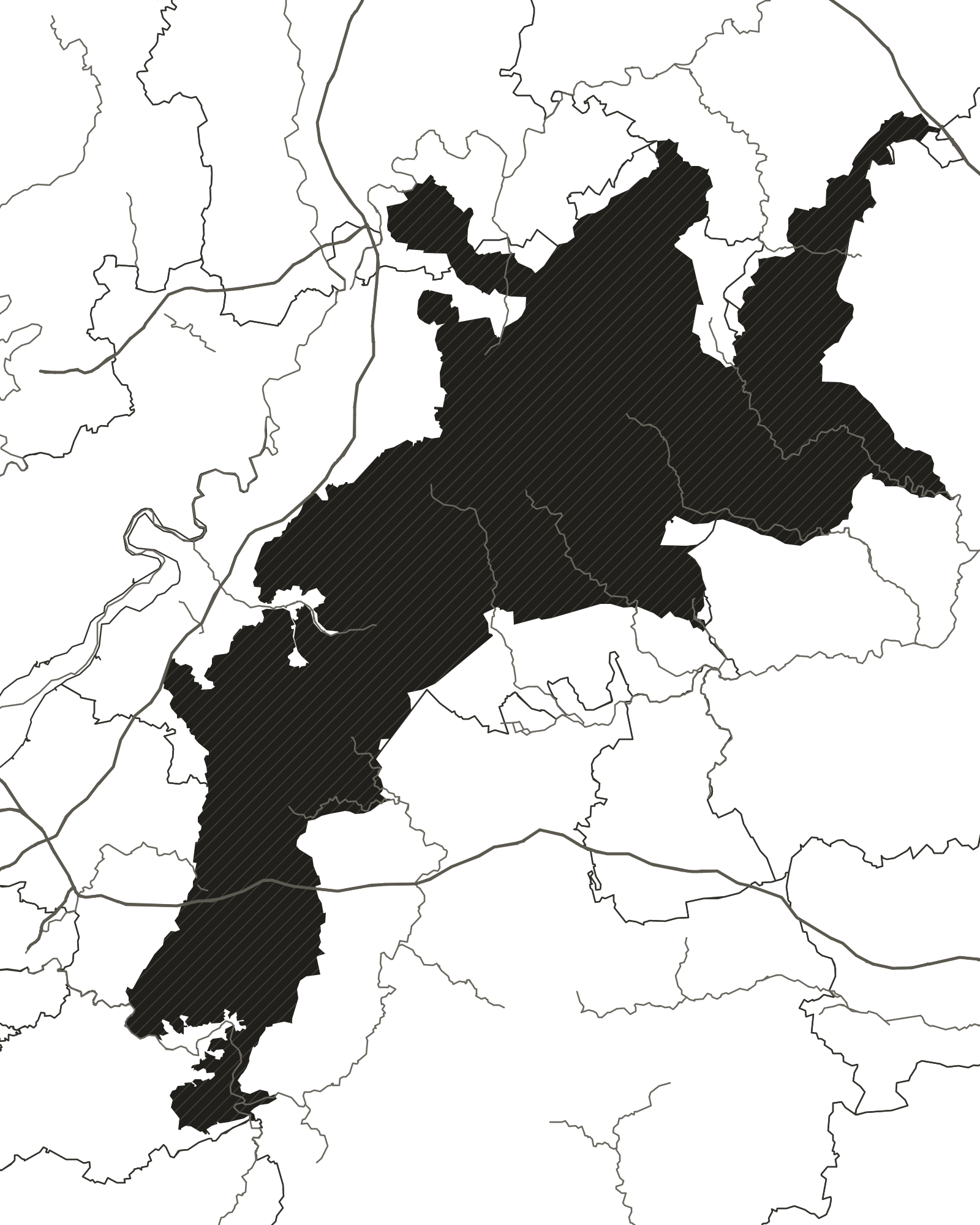
- From our yard
- About two miles to the National Landscape's edge
- The landscape
- About 790 square miles
- The councils
- 15 local authorities across it
Limestone, from the ground to the ridge.
The Cotswolds are built from what lies under them: Jurassic limestone, in the walls, the boundaries and the roofs. Its colour and thickness change considerably from one part of the hills to another.
A traditional stone roof is laid in diminishing courses, with the largest tiles at the eaves and the smallest at the ridge. Stone roofs are a significant feature of many period homes, and repairing them well takes the right materials and techniques. We bring over 30 years of experience to them.
Around them, dry stone walls hold no mortar at all. We build those too, for gardens and boundaries, along with natural stone and quoins for a traditional build.
- The smallest tiles, at the ridge
- Each course a little shorter than the last
- The largest tiles, at the eaves
Before you start, in the Cotswolds.
A general guide, not planning advice. The council has the final word.
A protected landscape
Inside a National Landscape, some work that is allowed elsewhere needs planning permission, including side extensions and cladding.
Cotswolds National Landscape (opens in a new tab)Which council
The landscape crosses 15 local authorities, and each decides the planning applications in its own area. So who you deal with depends on where the house is.
Which side of the line
The boundary is exact and can run close to home: it passes within half a mile of Malmesbury's Market Cross. If you do not yet know where you stand, say so on our quote form.
Converted, renovated and finished by us.


Planning some work in the Cotswolds?
A few details about your project help us give you a proper answer, sooner.